Why Your CBD Stopped Working — And the Smarter Way to Get Back on Track
When Your Go-To Supplement Starts Feeling Like a Placebo
You found a CBD routine that worked. Maybe it was a 25mg tincture before bed, or a gummy on stressful afternoons. For weeks — maybe months — it felt like exactly what your body needed. Then, gradually, it stopped landing the same way. You're taking the same amount, from the same brand, but the effect has flattened out.
Before you assume the product is suddenly garbage or that CBD was all hype to begin with, take a breath. What you're likely experiencing is a tolerance plateau — and it's one of the most common (and least talked about) issues among committed CBD users.
The good news? It's not permanent, and you don't have to keep chasing effectiveness by escalating your dose indefinitely.
The Science Behind Cannabinoid Tolerance
Here's where it gets interesting. Your body has an endocannabinoid system (ECS) — a complex network of receptors, enzymes, and signaling molecules that helps regulate everything from mood and sleep to inflammation and appetite. CBD doesn't bind directly to the primary cannabinoid receptors the way THC does, but it does influence the ECS in meaningful ways.
Over time, with consistent stimulation from any external compound, receptor sensitivity can shift. Think of it like listening to the same song on repeat — eventually, your brain stops paying close attention. In pharmacology, this is called receptor downregulation. Your body, in its relentless drive toward homeostasis, essentially turns down the volume on the very receptors you're trying to activate.
For some users, this process is subtle. For others, especially those using higher doses daily, the plateau hits harder and faster. The result is the same: you need more to feel what used to come from less — or you stop feeling much at all.
The "More Is Better" Trap
The instinctive response is to increase the dose. And while there are situations where that makes sense — particularly if your needs have genuinely changed — reflexively upping the amount every time effectiveness dips is a losing strategy. It accelerates the cycle, increases your monthly spend, and can make it harder to recalibrate later.
There's also a practical ceiling. CBD isn't dangerous at high doses in the way many substances are, but your body can only use so much of it effectively. Beyond a certain point, you're not getting more benefit — you're just spending more money.
So what actually works?
The CBD Reset: Taking a Tolerance Break
One of the most effective (and underutilized) strategies is the tolerance break — often called a "T-break" in cannabis culture, but entirely applicable to CBD users. Taking even a 3 to 7 day pause from CBD can allow your receptors to resensitize, making your next dose feel noticeably more effective.
This doesn't mean you have to white-knuckle it through a rough week. Plan your break during a lower-stress period. Use the time to lean on other wellness tools — quality sleep hygiene, magnesium before bed, adaptogens like ashwagandha, or simple breathwork practices. You might be surprised how much those foundational habits can carry you.
After the break, restart at a lower dose than you were taking before. This is the key move most people skip. Coming back in at your previous ceiling defeats the purpose.
Product Rotation: The Strategy Frequent Users Swear By
Another approach that's gaining traction among long-term CBD users is product rotation — intentionally switching between different formulations rather than sticking with one product indefinitely.
For example, you might use a full-spectrum oil for a few weeks, then rotate to a broad-spectrum capsule, then spend time with an isolate-based product. Each formulation interacts with your ECS slightly differently. Full-spectrum products contain additional cannabinoids and terpenes that create what researchers call the entourage effect — a synergistic relationship that may enhance overall effectiveness. Rotating between these profiles can prevent your system from fully adapting to any single input.
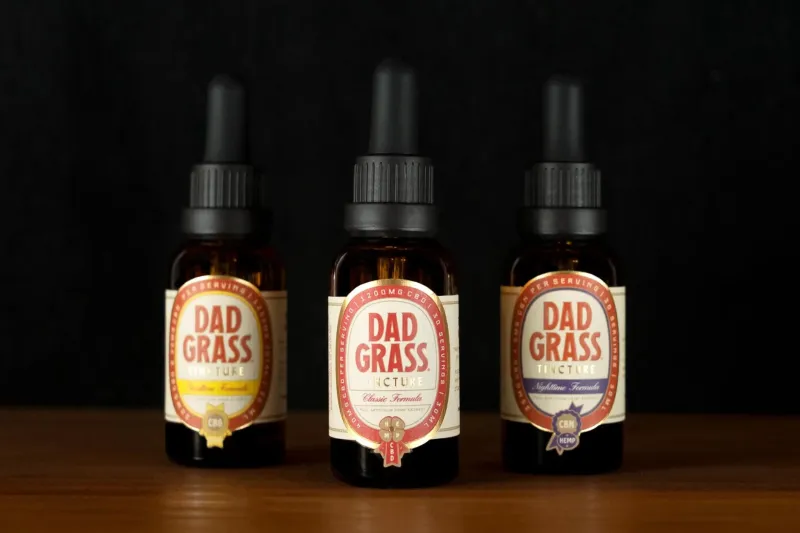
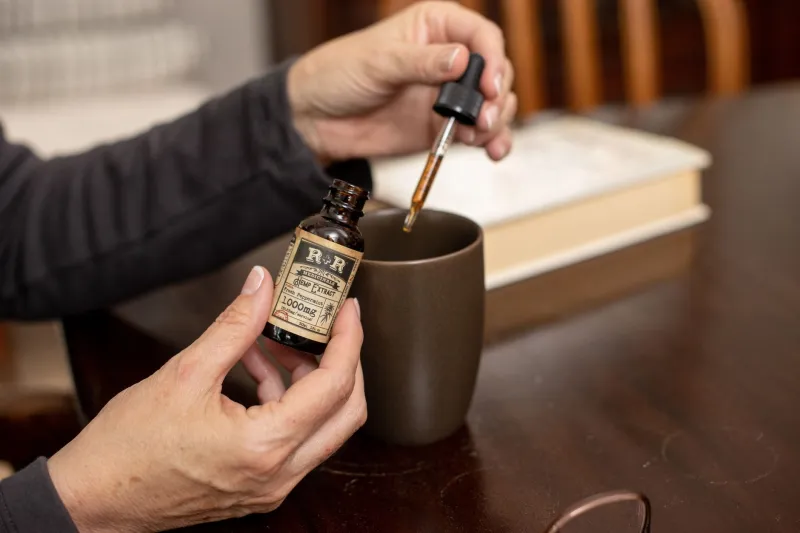
Some users also rotate delivery methods. Sublingual tinctures have a faster onset and different absorption profile than edibles. Topicals work locally rather than systemically. Mixing up how CBD enters your system can help maintain responsiveness over time.
Lifestyle Factors That Quietly Undermine CBD
Here's something the wellness industry doesn't talk about enough: your CBD is only as effective as the environment it's working in. Certain lifestyle patterns can dramatically blunt its impact, making it feel like you've hit a tolerance wall even when the real issue is something else entirely.
Sleep deprivation is a big one. Your ECS is deeply involved in sleep regulation, and when you're chronically under-rested, the whole system is under strain. CBD can help with sleep — but it works best when you're also doing the basics: consistent sleep times, a dark room, limiting screens before bed.
Chronic stress similarly taxes the ECS. If you're using CBD to manage anxiety but you're also running on cortisol fumes 24/7, you're essentially trying to fill a bucket with a hole in it. CBD works better as part of a broader stress management strategy, not as a standalone fix.
Diet matters too. CBD is fat-soluble, meaning it absorbs better when taken with food that contains healthy fats. If you've been taking your tincture on an empty stomach, that alone could explain why it feels less effective than it used to.
Recalibrating Your Routine
If your CBD routine has lost its edge, here's a practical framework to try:
- Take a 5 to 7 day break. Let your receptors reset.
- Restart at a lower dose — roughly 30 to 50 percent of what you were taking.
- Switch your product type — if you were using isolate, try full-spectrum. If you were using a tincture, try capsules.
- Audit your lifestyle. Sleep, stress, and diet all play a supporting role.
- Keep a simple log. Note your dose, timing, product type, and how you feel. Patterns emerge faster than you'd think.
The goal isn't to keep escalating. It's to maintain a sustainable, effective relationship with CBD over the long haul — one that doesn't require you to constantly chase a moving target.
The Bottom Line
CBD is a tool, not a magic switch. Like any wellness practice, it works best when it's part of a thoughtful, flexible routine rather than a rigid daily ritual you never question. If your CBD has stopped working the way it used to, that's not a sign to give up — it's a signal to recalibrate.
At Truman CBD, we believe that real wellness is about working smarter, not just harder. Understanding the nuances of how your body adapts is part of that journey. A little patience and a willingness to adjust your approach can go a long way toward keeping your CBD routine genuinely useful for years to come.