Stressed, Wired, and Can't Sleep? Here's How to Use CBD to Actually Reclaim Your Calm
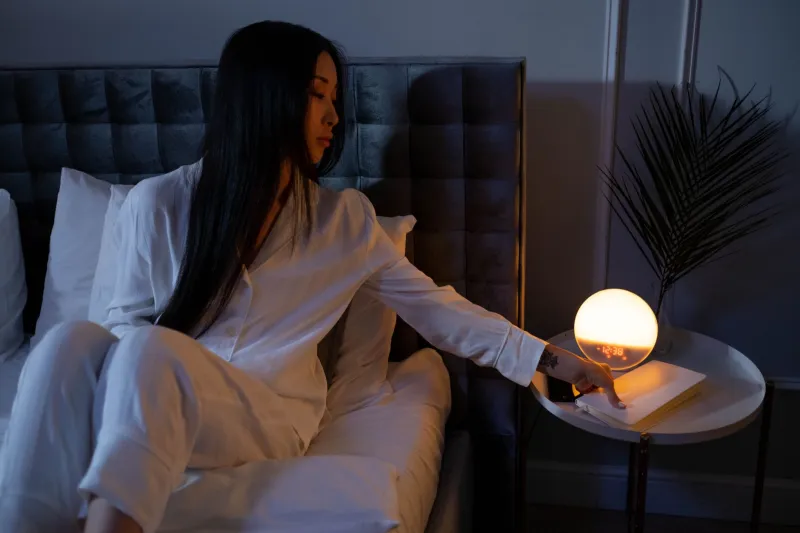
You know the feeling. It's 11:30 PM. You're exhausted, but your brain is running a highlight reel of everything you didn't finish today and everything you have to do tomorrow. Your shoulders are somewhere around your ears. You've already checked your phone twice since you put it on the nightstand.
Welcome to the American experience, circa right now.
Stress and sleep deprivation have become so normalized in this country that we've almost stopped recognizing them as problems. We joke about our anxiety. We brag about running on five hours of sleep. We treat burnout like a badge of honor.
But the data is grim. The American Institute of Stress reports that 77% of Americans regularly experience physical symptoms caused by stress. The CDC says a third of adults are chronically sleep-deprived. These aren't just uncomfortable statistics — they're public health issues with real consequences for everything from heart health to immune function to mental well-being.
So what actually helps? That's what this guide is about. Specifically, how CBD fits into a practical, sustainable approach to managing stress and sleep — and what you need to pair it with to see real results.
First, Let's Talk About Why CBD Makes Sense Here
CBD (cannabidiol) is a non-psychoactive compound derived from hemp. It won't get you high, and it's federally legal in the US when sourced from hemp with less than 0.3% THC. What it does do is interact with your body's endocannabinoid system (ECS) — a network of receptors that helps regulate things like stress response, mood, and sleep cycles.
Think of the ECS as your body's internal balancing system. When it's running smoothly, you're better equipped to handle stress without spiraling, and your sleep-wake cycle stays more consistent. When it's out of whack — from chronic stress, poor sleep, inflammation, or lifestyle factors — everything feels harder.
CBD doesn't sedate you or chemically force relaxation. What users commonly report is a quieting effect — a reduction in that underlying hum of tension that makes it hard to wind down. That's why it's become a go-to for people who want support without the grogginess or dependency concerns associated with some pharmaceutical options.
Now, let's get into the practical stuff.
1. Figure Out What You're Actually Dealing With
Before you grab a CBD product, get honest about your specific struggle. Are you dealing with:
- Daytime stress and anxiety that carries into the evening?
- Racing thoughts at bedtime that prevent you from falling asleep?
- Frequent waking in the middle of the night?
- General tension and physical restlessness that won't quit?
The answer matters because it influences what kind of CBD product and timing strategy makes the most sense for you. Someone managing daytime stress needs a different approach than someone who falls asleep fine but wakes at 3 AM.
2. Choose the Right Format for Your Routine
Not all CBD delivery methods work the same way, and timing is everything.
CBD oils and tinctures are absorbed under the tongue and tend to kick in within 15–45 minutes. They're great for situational stress relief — before a tough meeting, after a rough commute, or as part of a wind-down ritual an hour before bed.
CBD capsules and softgels take longer to absorb (30–90 minutes, depending on your metabolism and whether you've eaten), but they offer more consistent, sustained effects. These work well if you're looking for steady daytime support or want something that bridges the gap between evening and sleep.
CBD gummies are convenient, pre-dosed, and easy to incorporate into a nightly routine. Many people use them as part of a deliberate "closing time" signal to their nervous system — same time every night, same dose, same cue to start winding down.
CBD topicals (creams, balms) don't enter the bloodstream but can help with localized tension — tight neck muscles, shoulder knots, that kind of physical stress that accumulates in the body over a long week.
3. Time It Right
This is where a lot of people go wrong. They take CBD right as they're crawling into bed and then wonder why it didn't work. Timing matters.
For sleep support: Take your CBD 45–90 minutes before you want to be asleep, not before you get into bed. Give it time to work while you're doing something calming — reading, light stretching, a warm shower.
For daytime stress: Consider a lower dose in the morning or early afternoon to take the edge off baseline anxiety without interfering with focus. Some people find a consistent low-dose approach throughout the day more effective than a single larger dose.
For acute stress moments: Keep a tincture on hand for those moments when stress spikes — before a difficult conversation, a high-stakes presentation, or a social situation that typically triggers anxiety.
Start low and adjust gradually. Most experts suggest beginning with 15–25mg per day and assessing after a week or two before increasing.
4. Build the Habits That Make CBD Work Better
Here's the part most CBD guides skip: CBD is a support tool, not a standalone fix. The lifestyle context you build around it dramatically affects how well it works.
Create a real wind-down window. Give yourself at least 60 minutes before bed without screens. This isn't new advice, but it's still the most impactful thing most people can do for sleep quality. Dim the lights. Put on something calm. Let your nervous system get the memo that the day is done.
Move your body during the day. Exercise is one of the most powerful stress regulators we have. Even a 20-minute walk meaningfully reduces cortisol levels and improves sleep architecture. CBD and movement together? A genuinely solid combo.
Watch the caffeine cutoff. Caffeine has a half-life of about 5–6 hours. That 3 PM coffee is still in your system at 9 PM. If sleep is your main struggle, shifting your last caffeine to before noon can make a noticeable difference.
Manage your inputs. News, social media, and work emails late in the evening are stress delivery systems. Be intentional about what you're feeding your nervous system in the hours before bed.
Consider magnesium. Magnesium glycinate pairs well with CBD for sleep support — it's involved in over 300 enzymatic reactions in the body, including those that regulate the nervous system. Many Americans are deficient. Talk to your healthcare provider about whether it makes sense for you.
5. Track What's Actually Working
Give any new wellness strategy at least two to four weeks before drawing conclusions, and keep a simple log. Note your dose, timing, sleep quality (a simple 1–10 rating works fine), daytime stress levels, and any physical symptoms. Patterns will emerge, and they'll help you fine-tune your approach.
This isn't about obsessing over data — it's about being an informed participant in your own wellness rather than just hoping something works.
6. Talk to Your Doctor (Seriously)
CBD is generally well-tolerated, but it can interact with certain medications, particularly blood thinners and some anti-seizure drugs. If you're taking any prescription medications or managing a health condition, loop in your healthcare provider before starting CBD. A good doctor won't dismiss the conversation — and if they do, that's useful information too.
The Bottom Line
America's always-on culture isn't going anywhere overnight. The pressure, the pace, the endless notifications — that's the environment we're navigating. But you don't have to just white-knuckle your way through it.
A thoughtful CBD routine, built on quality products and paired with genuine lifestyle support, can make a real difference in how you experience stress and sleep. Not by numbing you out or creating dependency — but by helping your body find its own equilibrium again.
At Truman CBD, that's exactly what we're here to support. Pure, transparent, third-party tested products designed for real people trying to feel genuinely well in a complicated world.
You deserve more than just surviving the week. Let's work on actually resting.