Breaking Out of the Wellness Matrix: How Americans Are Finally Embracing CBD as a Legit Health Tool
Remember that scene in The Truman Show where Truman Burbank finally starts noticing the cracks in his perfectly constructed world? The lighting rig that falls from the sky. The radio frequency that accidentally broadcasts his movements. Small moments that chip away at a reality he'd accepted without question.
For a lot of Americans, the journey toward genuine wellness has felt a lot like that.
For decades, we've operated inside a kind of scripted health narrative — one built on pharmaceutical quick fixes, one-size-fits-all advice, and a whole lot of marketing noise. Then CBD showed up and, for many people, it felt like the curtain starting to pull back.
The Old Script Wasn't Working
Let's be honest: the American wellness landscape has always been a little chaotic. We cycle through fad diets, miracle supplements, and trendy workout routines at a pace that would exhaust even the most dedicated health enthusiast. And yet, despite all that effort, stress levels keep climbing, sleep quality keeps tanking, and a growing number of people feel like they're running on empty.
According to the American Psychological Association, stress has been at near-crisis levels for several years running, with work, finances, and health concerns topping the list of major stressors. Meanwhile, the CDC reports that roughly one in three American adults doesn't get enough sleep on a regular basis.
Something clearly wasn't adding up. People were following the prescribed playbook and still not feeling well. That disconnect opened the door to a different kind of conversation — one that eventually led a lot of folks to cannabidiol.
Why CBD Felt Different
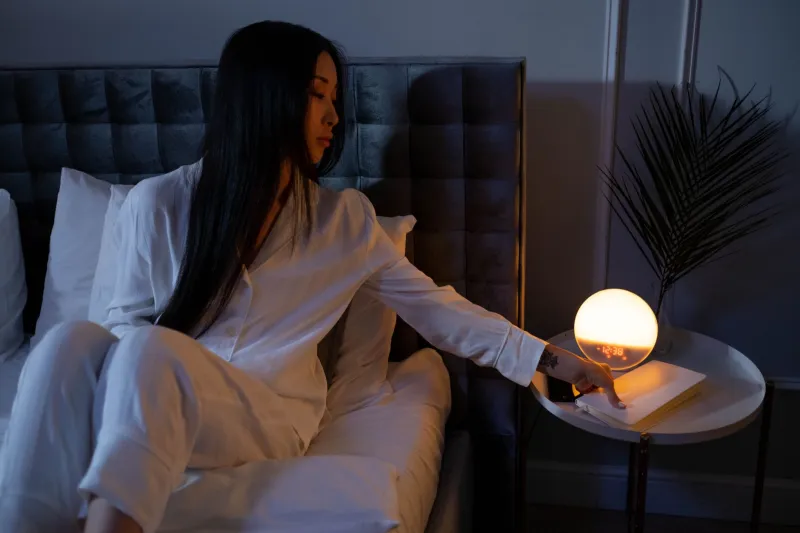
CBD didn't arrive with a slick ad campaign or a celebrity endorsement (well, not at first). It crept into the wellness conversation quietly, mostly through word of mouth. A coworker mentioned it helped her wind down after brutal work weeks. A neighbor started using it after his doctor suggested exploring non-habit-forming options for occasional anxiety. A college friend posted about how it changed her relationship with sleep.
These weren't dramatic testimonials. They were ordinary people sharing ordinary experiences — and that authenticity is exactly what made people listen.
"I'd tried everything — melatonin, magnesium, all the sleep hygiene stuff," says Rachel T., a 38-year-old teacher from Ohio. "CBD was the first thing that actually made me feel like my nervous system had an off switch. It wasn't a miracle, but it felt real."
That word — real — comes up a lot when people talk about their experiences with CBD. In a wellness world full of overpromising and underdelivering, something that simply helps you feel a little more like yourself carries enormous appeal.
The Cultural Shift Behind the Awakening
There's a psychological dimension to this movement that's worth unpacking. Researchers and cultural observers have noted a broader trend in American life: a growing distrust of top-down health messaging combined with a rise in personal health agency. People want to understand what they're putting in their bodies. They want options. They want nuance.
CBD fits neatly into that desire. It's not a prescription. It's not a cure-all. It's a cannabinoid derived from hemp that interacts with the body's endocannabinoid system — a regulatory network that plays a role in managing mood, sleep, inflammation response, and more. That science is still evolving, but the basic framework gives curious, health-minded people something tangible to explore.
Dr. Julie Holland, a psychiatrist and author who has written extensively about psychoactive plants and mental health, has noted that Americans are increasingly open to plant-based approaches to wellness — particularly among younger generations who grew up questioning institutional authority and seeking more holistic answers.
And it's not just younger folks. Baby Boomers represent one of the fastest-growing segments of CBD users, with many turning to it as they look for gentler alternatives to manage the everyday aches, restlessness, and stress that come with aging.
Separating Hype from Reality
Here's where we want to keep it real with you, because that's kind of the whole point of this piece.
CBD is not magic. It won't cure disease, and anyone telling you otherwise is selling something. What the research does suggest — and what a growing number of users report — is that high-quality CBD can be a meaningful part of a balanced wellness routine. The key words there are high-quality and part of.
Not all CBD products are created equal. The industry has matured significantly since the early days of murky sourcing and wildly inconsistent dosing, but there are still products out there that don't deliver what they promise. Third-party lab testing, transparent sourcing, and clear labeling matter — a lot.
At Truman CBD, we've built our entire approach around that kind of transparency. Because the awakening people are experiencing isn't just about CBD — it's about demanding honesty from the products they choose to put in their bodies.
What Authentic Wellness Actually Looks Like
The most meaningful shift happening in American wellness culture isn't really about CBD specifically. It's about rejecting the idea that health is something that happens to you — delivered by a pill or a program — and embracing the idea that it's something you actively cultivate.
That means different things for different people. For some, it's finally getting consistent sleep. For others, it's finding a way to manage the low-grade anxiety that's become the background hum of modern life. For others still, it's about recovery, inflammation, or simply feeling more present in their own bodies.
CBD can support all of those goals — not as a standalone solution, but as one tool in a thoughtful, personalized wellness toolkit.
Marcus L., a 45-year-old marketing director from Austin, put it this way: "I used to think wellness was about optimization — biohacking, tracking everything, always chasing some peak state. Now I think it's more about balance. CBD helped me slow down enough to actually figure out what my body needed."
That's the awakening. Not a dramatic revelation, but a quiet, personal recalibration.
The Road Ahead
As federal regulations around CBD continue to evolve and consumer education improves, the conversation is only going to get richer. More research is being published. More healthcare providers are engaging with their patients about CBD as a complementary option. More Americans are asking better questions.
The script is changing. The set is being dismantled, piece by piece.
And unlike Truman Burbank, most of us are walking through that door not with fear — but with curiosity, a little bit of hope, and a genuine desire to feel better on our own terms.
That's a wellness story worth telling.