Morning Ritual or Morning Mistake? The Real Story Behind CBD and Caffeine
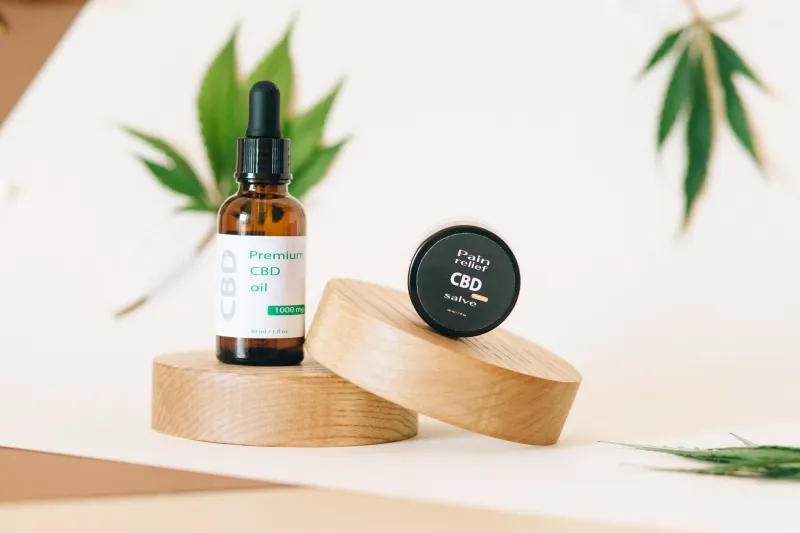
There's a good chance your morning already looks something like this: alarm goes off, you shuffle to the kitchen, and within twenty minutes you've got a cup of coffee in one hand and your CBD oil or capsule in the other. It feels productive. Intentional, even. Like you're stacking your wellness wins before the day has a chance to throw anything at you.
But here's the thing — those two substances aren't just coexisting in your body. They're interacting. And depending on how you're taking them, that interaction might be quietly working against the very results you're chasing.
What Caffeine Actually Does to Your System
Most of us understand caffeine on a surface level: it wakes you up, sharpens your focus, and can make you jittery if you overdo it. But what's happening underneath is a little more interesting.
Caffeine primarily works by blocking adenosine receptors — adenosine being the chemical that builds up throughout the day and makes you feel sleepy. When caffeine plugs those receptors, the drowsy signal gets muted. As a side effect, dopamine and adrenaline get a chance to run a little more freely, which is why your second cup of coffee can feel almost euphoric on a slow Tuesday morning.
The catch? Caffeine also activates your sympathetic nervous system — your "fight or flight" mode. Heart rate climbs, cortisol ticks upward, and your body enters a mild state of alertness that, in excess, can tip into anxiety.
Where CBD Enters the Picture
CBD works through an entirely different mechanism. It interacts with the endocannabinoid system (ECS), a regulatory network that helps your body maintain balance across a wide range of functions — mood, inflammation, sleep, and yes, stress response. Many people turn to CBD specifically to take the edge off anxiety, support a calmer nervous system, or improve the quality of their sleep.
So right away, you can see the potential tension: caffeine is revving up your stress response while CBD is trying to help calm it down. It's a bit like pressing the gas and the brake at the same time.
That said, it's not quite that simple — because the relationship between these two compounds isn't purely oppositional.
The Enzyme Factor Nobody Talks About
Here's where things get genuinely interesting. Both caffeine and CBD are metabolized by the same family of liver enzymes — specifically the cytochrome P450 (CYP450) system. When you take both at the same time, they're essentially competing for the same processing resources.
This can slow down the metabolism of both compounds, meaning caffeine might linger in your system longer than usual (hello, 3pm heart palpitations) and CBD's effects might be delayed or altered. For some people, this results in feeling more wired than they'd like. For others, it can mean the calming benefits of CBD feel blunted — not because CBD isn't working, but because it's stuck in a metabolic traffic jam.
The degree to which this affects you personally depends on your genetics, body weight, liver health, and how much of each substance you're taking. Some people are fast metabolizers and barely notice a difference. Others are much more sensitive.
Does CBD Actually Enhance Coffee? Or Is That Just Marketing?
You've probably seen the "calm focus" pitch — the idea that CBD smooths out the rough edges of caffeine, giving you alertness without the anxiety. Some people genuinely experience this, and there's a plausible mechanism behind it. CBD's interaction with serotonin receptors and its potential to modulate cortisol could theoretically take the jittery edge off a strong cup of coffee.
But "some people experience this" is very different from "this is what will happen to you." The honest answer is that individual response varies enormously. If you're someone who's already anxiety-prone or sensitive to stimulants, taking CBD alongside caffeine might help. If you're a generally low-stress person who drinks a moderate amount of coffee, you might not notice much difference at all.
The "CBD coffee" trend has some merit, but it's been oversimplified by brands trying to sell you something.
Timing Is Everything
If you want to get the most from both, the smartest move is often to separate them — not necessarily by hours, but by intent.
Option 1: CBD first, coffee second. Taking CBD 30–45 minutes before your coffee gives it a head start on the metabolic process and lets it begin interacting with your ECS before caffeine starts stimulating your sympathetic nervous system. Some people find this creates a noticeably smoother morning.
Option 2: Coffee in the morning, CBD in the afternoon. This is especially worth considering if your primary reason for taking CBD is stress relief or sleep support. Letting caffeine do its job in the morning and then using CBD in the early afternoon or evening keeps the two compounds largely out of each other's way.
Option 3: Lower doses of both. If you love the idea of combining them, reducing your caffeine intake slightly while keeping your CBD dose moderate might be the sweet spot. Less stimulant pressure on the system means CBD has less to counteract.
Practical Steps to Figure Out What Works for You
Because individual response really does vary this much, the best approach is to treat yourself like a one-person experiment. Keep a simple notes app log for a couple of weeks. Track:
- What time you took each substance
- How much of each
- How you felt 1–2 hours later
- Your anxiety level and focus quality mid-morning
- How your sleep was that night
After two weeks, patterns will start to emerge. Maybe you feel great taking them together. Maybe you notice you're sleeping worse on days you combine them in the morning. The data from your own body is worth more than any generalized advice.
The Bottom Line
Your morning coffee habit and your CBD routine don't have to be enemies — but pretending they're automatically best friends isn't doing you any favors either. These are two genuinely active compounds that your body has to process, and understanding how they interact gives you real leverage over your wellness outcomes.
The goal isn't to pick one over the other. It's to be thoughtful about how you're using both — and to stop assuming that more inputs always equal better results. Sometimes the smartest wellness move is just paying closer attention to what's already in your cup.