Is CBD Actually Earning Its Spot in Your Supplement Routine — Or Just Taking Up Shelf Space?
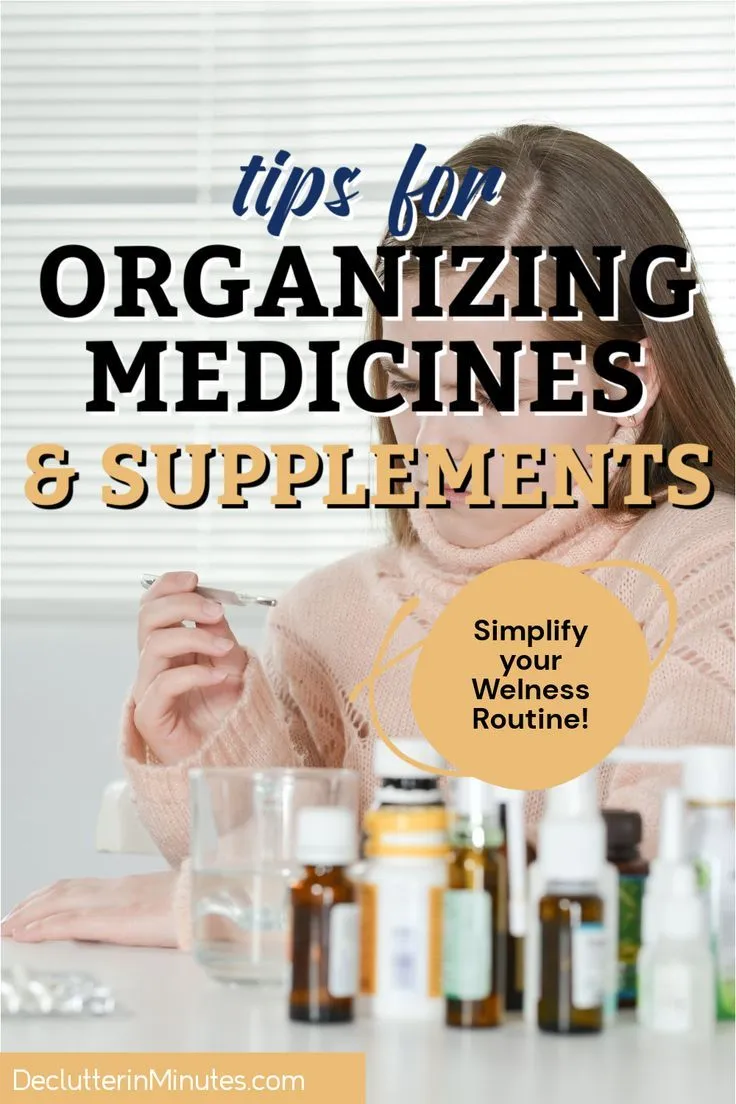
Photo: person organizing supplement bottles on a clean countertop reviewing wellness routine, via i.pinimg.com
The Supplement That Became a Placeholder
At some point, CBD stopped being a conscious health decision for a lot of people and became just... part of the routine. You grab it in the morning alongside your multivitamin, maybe drop some oil into your evening tea, and tell yourself you're being proactive about your wellness. And maybe you are. But if you're being honest — do you actually know whether it's working?
This is the supplement placeholder problem. It happens with CBD more than almost any other wellness product, partly because the benefits are subtle by nature, and partly because the marketing around CBD has been so effective at making it feel like a non-negotiable part of a healthy lifestyle. The result? A lot of Americans are spending real money on a product they've stopped thinking critically about.
That's not a knock on CBD — it's a knock on how we tend to add supplements to our lives without ever building in a mechanism for checking whether they're actually doing anything.
Why CBD Is Especially Prone to This Problem
Most supplements either have a clear, measurable effect or they don't. You take iron because your doctor told you your levels are low, and you get them retested. You take vitamin C during cold season and notice whether you're getting sick less. There's a feedback loop.
CBD is trickier. Its effects tend to be gradual and cumulative — reduced tension, better sleep quality, a general sense of calm that's hard to pin down. That subtlety is genuinely part of how it works. But it also makes it easy to keep buying and taking it without ever confirming whether you specifically are benefiting.
Add in the fact that the supplement industry isn't exactly overflowing with rigorous standardization, and you've got a recipe for spending money on products that may not even contain what the label claims — let alone deliver the results you're hoping for.
How to Actually Audit Your Stack
An honest supplement audit doesn't require a nutritionist or a spreadsheet (though neither would hurt). It just requires you to sit down and answer a few uncomfortable questions about each product you're taking.
Start with intent. For each supplement in your cabinet — CBD included — write down the specific reason you started taking it. Not a vague reason like "overall wellness," but something concrete: I started taking this because I was having trouble falling asleep or I added this because I was feeling anxious during the workday. If you genuinely can't remember why you started, that's already a signal.
Define what success looks like. This is the step most people skip. Before you can know whether something is working, you need to define what "working" means for you. If you're taking CBD for stress, what would meaningful improvement look like? Fewer moments of overwhelm during the day? Easier time decompressing in the evening? Get specific.
Do a temporary elimination. The most reliable way to know if something is doing anything is to stop taking it for two to three weeks and track how you feel. This isn't always practical or advisable with every supplement (always check with your doctor), but for something like CBD, a short break is usually low-stakes and genuinely informative. If you don't notice any change, that's data.
Look at the product itself. Not all CBD is created equal, and that's not just a cliché. If you're taking a product that hasn't been third-party tested, you may not actually be getting the dose on the label. If you're using an isolate when your goals might be better served by a full-spectrum product, you could be leaving effectiveness on the table. The product matters as much as the habit.
Signs Your CBD Might Just Be Occupying Space
There are a few patterns that tend to show up when CBD has drifted into placeholder territory:
- You've been on the same dose for a long time without ever reassessing. Your body, stress levels, and sleep patterns change. Your CBD routine should too.
- You feel fine when you skip it. That's not always a sign it's not working — but combined with other factors, it's worth noting.
- You're not sure what form or type you're taking. If you can't answer basic questions about your CBD product, you're probably not taking it strategically.
- You added it during a stressful period and never re-evaluated once things calmed down. CBD can be genuinely useful during high-stress phases of life. But if that phase has passed and you're still on autopilot, it might be time to check in.
Replacing Ineffective Products With Intentional Ones
If your audit reveals that your current CBD isn't doing much, you have a few options — and they don't all involve just buying a different brand.
First, consider whether your goals have shifted. CBD is a versatile tool, but it works best when it's matched to a specific outcome. If your original goal was better sleep but you've since addressed that through other means, maybe CBD isn't the right fit for your current phase of life. That's okay. Wellness routines should evolve.
If you do want to keep CBD in your stack, get deliberate about it. Choose a product with verified third-party lab results, a clear milligram count, and a format that actually suits your lifestyle. Think about when you're taking it and whether that timing aligns with the effect you're looking for. And commit to reassessing in 30 days.
For some people, the answer isn't more or different CBD — it's pairing it with complementary tools that address the same goals from a different angle. Magnesium for sleep, adaptogens for stress, omega-3s for inflammation. A strategic stack where everything has a defined role tends to outperform a collection of supplements you've accumulated over time.
The Bigger Lesson Here
The supplement placeholder problem isn't really about CBD specifically — it's about how easy it is to confuse the act of taking care of yourself with actually taking care of yourself. Buying supplements feels like a health decision. Maintaining a routine feels like discipline. But if none of it is working, it's just expensive theater.
The goal of a genuinely good wellness routine is that every piece of it is earning its place. CBD, at its best, is a meaningful part of that picture for a lot of people. But it should be there because it's delivering something real for you — not because it's become a habit you've never thought to question.
Take the audit seriously. Your body (and your wallet) will thank you.