Build a Smarter Wellness Stack: How CBD Pairs With Vitamin D, Omega-3s, and Probiotics for Real Results
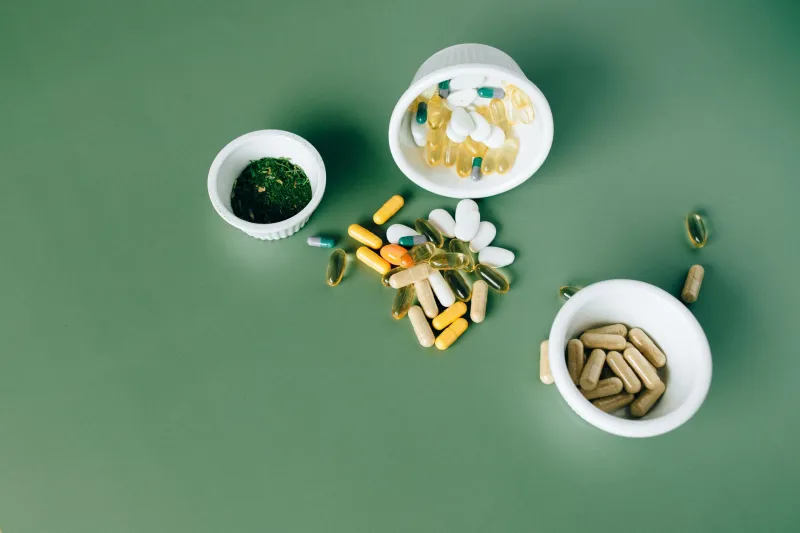
Let's be honest — the wellness supplement aisle can feel overwhelming. Rows upon rows of bottles, each one promising something slightly different, and zero guidance on how any of them actually work together. Most Americans end up picking one or two things, hoping for the best, and calling it a routine.
But here's what the latest science is starting to confirm: supplements don't operate in a vacuum. The nutrients and compounds you take interact with each other — sometimes in ways that dramatically change how effective they are. And CBD is no exception.
Rather than treating cannabidiol as a standalone fix, think of it as a cornerstone ingredient in a larger, more intentional wellness framework. Pair it strategically with a few key nutrients, and you might be surprised by the difference.
Why CBD Alone Isn't Always Enough
CBD works primarily through the endocannabinoid system (ECS) — a network of receptors that influences mood, sleep, inflammation, immune response, and more. It's a remarkably broad system, which is part of why CBD gets talked about in so many different wellness contexts.
But the ECS doesn't function in isolation. It communicates constantly with other biological systems in your body — your immune system, your gut, your hormonal pathways, your nervous system. When those systems are undernourished or out of balance, even a quality CBD product has less to work with.
That's where the concept of a wellness stack comes in. By addressing multiple systems simultaneously, you give your body a more complete foundation — and give CBD a better environment to do its job.
Vitamin D: The Sunshine Vitamin That Speaks CBD's Language
Vitamin D deficiency is staggeringly common in the US. Estimates suggest that somewhere between 35 and 42 percent of American adults don't get enough of it — and that number climbs higher among people who spend most of their time indoors or live in northern states with limited sun exposure.
Why does this matter for CBD users? Because vitamin D receptors are found throughout the same tissues where the ECS is most active, including the brain, immune cells, and gut lining. There's also growing evidence that vitamin D plays a role in regulating inflammatory responses — one of the same pathways CBD is known to influence.
Some researchers believe the two may work in a complementary fashion, essentially supporting overlapping anti-inflammatory and neuroprotective mechanisms. While the science isn't fully settled, the logic is sound: if you're deficient in vitamin D, your body's capacity to regulate inflammation and mood may already be compromised before your CBD even enters the picture.
Practical tip: Take your vitamin D supplement alongside a fat-containing meal — and if you're using an oil-based CBD tincture at the same time, even better. Both are fat-soluble, meaning they absorb more efficiently when dietary fat is present.
Omega-3 Fatty Acids: The Bioavailability Booster You Didn't Know You Needed
Omega-3 fatty acids — found in fish oil, algae oil, flaxseed, and walnuts — are well established in the wellness world for their cardiovascular and brain health benefits. But their relationship with CBD is worth a closer look.
Here's the connection: CBD is a lipophilic (fat-loving) compound. Its absorption into the bloodstream depends heavily on the presence of dietary fats. Studies have shown that taking CBD with a high-fat meal can increase its bioavailability by a significant margin — in some cases, by four times or more compared to taking it on an empty stomach.
Omega-3s don't just help with absorption, though. They're also precursors to endocannabinoid-like compounds called endocannabinoids — specifically, anandamide and 2-AG, which bind to the same receptors as CBD. A diet rich in omega-3s may actually support a more robust and responsive endocannabinoid system overall.
Think of it this way: omega-3s help set the table, and CBD gets to sit down to a much better meal.
If you're currently taking fish oil capsules in the morning, try timing your CBD dose around the same window. Or look for full-spectrum CBD products formulated in MCT or hemp seed oil — another healthy fat that can support absorption on its own.
Probiotics: The Gut Connection That Changes the Whole Equation
This one surprises a lot of people: your gut health has a direct influence on how well CBD works in your body.
The gut-brain axis is a two-way communication highway between your digestive system and your central nervous system. And the microbiome — the trillions of bacteria living in your gut — plays a significant role in regulating that communication. A disrupted microbiome has been linked to increased anxiety, poor sleep, systemic inflammation, and reduced immune function. Sound familiar? Those are exactly the areas where people most commonly turn to CBD for support.
Emerging research has also found that gut bacteria may influence the metabolism of cannabinoids. Some strains of beneficial bacteria appear to interact with endocannabinoid receptors in the gut lining, essentially extending the reach of your ECS into your digestive system.
When your gut microbiome is out of balance — due to stress, a poor diet, antibiotic use, or just the general chaos of modern American life — your body's ability to absorb and utilize nutrients (including CBD) can be compromised. A quality probiotic supplement, taken consistently, helps restore and maintain that microbial balance.
For best results, take your probiotic at a consistent time each day, ideally with or just before a meal. Some research suggests morning is optimal, though consistency matters more than timing perfection.
How to Actually Build Your Stack
You don't have to overhaul everything at once. A simple, sustainable approach might look like this:
Morning:
- Probiotic with a small meal
- Omega-3 supplement (fish oil or algae-based) with breakfast
- CBD tincture or softgel taken with the same fat-containing meal
Midday or afternoon:
- Vitamin D supplement with lunch (again, with dietary fat for best absorption)
Evening (optional):
- A second CBD dose if your routine calls for it, particularly if you're using it to support sleep
This isn't a rigid prescription — it's a starting framework. Pay attention to how you feel over the course of a few weeks, and adjust accordingly. Wellness is personal, and what works well for one person may need tweaking for another.
The Bigger Picture
The wellness industry loves to sell you the next big thing. But more often than not, the most meaningful improvements come not from adding something radically new, but from optimizing what you're already doing.
CBD is a genuinely useful tool — but it works best when your broader nutritional foundation is solid. Vitamin D keeps your inflammatory and immune pathways supported. Omega-3s improve absorption and bolster your endocannabinoid system. Probiotics create the gut environment where everything functions more efficiently.
Together, they don't just add up — they multiply.
That's the synergy effect. And once you start thinking about your wellness routine this way, going back to a single-supplement mindset feels like leaving a lot on the table.