Sleep Better Tonight: Why CBD and Magnesium Are the Wellness Duo You've Been Missing
If you've ever stared at the ceiling at 2 a.m. — mind buzzing, body tense, somehow exhausted and wired at the same time — you've probably already tried a few things. Maybe you've leaned on CBD oil before bed. Maybe you've heard that magnesium helps with sleep and picked up a bottle at your local Whole Foods. Both are reasonable moves. But here's the thing most people don't realize: these two wellness staples may actually work better together than they do apart.
It's not just wellness-influencer hype. There's a growing body of research pointing to some genuinely complementary mechanisms between cannabidiol and magnesium — and once you understand how they each work on your nervous system, the pairing starts to make a lot of sense.
What's Actually Happening in Your Body When You Can't Sleep
Sleep struggles rarely come from a single source. More often, they're the result of a few overlapping issues: a nervous system that's stuck in overdrive, muscle tension that won't fully release, racing thoughts, and cortisol levels that haven't quite settled down after a long day. That's a lot to address with one supplement.
This is where the CBD-magnesium combination gets interesting. Rather than targeting one pathway, these two work on different — but complementary — aspects of the relaxation process.
CBD interacts with the endocannabinoid system, which plays a role in regulating stress responses, mood, and the sleep-wake cycle. Research suggests CBD may help reduce anxiety and promote a calmer mental state, which can make falling asleep easier. It doesn't knock you out the way a sleep aid might — it's more like it lowers the volume on the mental noise that keeps you awake.
Magnesium, on the other hand, works more on the physical side. It's involved in over 300 biochemical reactions in the body, and one of its most critical roles is regulating the nervous system. Specifically, magnesium activates GABA receptors — the same calming neurotransmitter pathways that help your brain shift into rest mode. Low magnesium levels (which affect a large portion of American adults, often without them knowing it) are associated with poor sleep quality, muscle cramps, and heightened stress responses.
So while CBD is helping quiet your thoughts, magnesium is helping your muscles unclench and your brain chemistry settle. That's a meaningful one-two punch.
The Forms of Magnesium That Actually Work
Not all magnesium supplements are created equal, and this matters a lot when you're pairing with CBD for sleep. Some forms are better absorbed than others, and some are more likely to cause digestive issues (the last thing you want at bedtime).
Magnesium glycinate is widely considered the gold standard for sleep and relaxation. It's highly bioavailable and gentle on the stomach. The glycine component is itself an amino acid linked to improved sleep quality, so you're essentially getting a double benefit.
Magnesium L-threonate is another strong option, particularly if brain-related benefits are a priority. It's one of the few forms that can cross the blood-brain barrier effectively, which may enhance its calming effects on the central nervous system.
Magnesium citrate is more commonly found in drugstores and is reasonably well-absorbed, though it has a mild laxative effect at higher doses — something to keep in mind.
Steer clear of magnesium oxide if sleep is your goal. It has poor bioavailability and is mainly used as a laxative. It's cheap, which is why it ends up in a lot of low-quality supplements, but it won't do much for your sleep.
Timing Is Everything
With any supplement pairing, when you take things matters as much as what you take. For the CBD-magnesium combo, here's a practical framework that works for most people:
About 60–90 minutes before bed, take your magnesium supplement. This gives it enough time to start activating GABA pathways and ease muscle tension before you're actually trying to fall asleep.
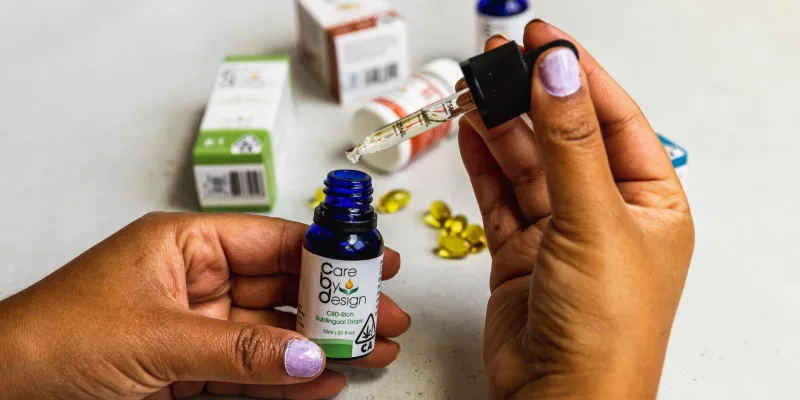
About 30 minutes before bed, take your CBD. Whether you prefer a tincture, a softgel, or a dedicated sleep formula, this window allows CBD to enter your system and begin working on the stress and anxiety side of the equation right around the time you're winding down.
Some people find it helpful to pair both with a small, magnesium-rich snack — a handful of almonds or a banana — which can support absorption and signal to your body that it's time to slow down.
How Much Should You Take?
Dosing is always personal, but there are some reasonable starting points.
For magnesium, the Recommended Dietary Allowance (RDA) for adult men is around 400–420 mg per day, and for adult women, 310–320 mg. For sleep purposes, a supplemental dose of 200–400 mg of magnesium glycinate in the evening is commonly recommended by integrative health practitioners. Start at the lower end and see how your body responds.
For CBD, if you're new to it, starting around 15–25 mg in the evening is a reasonable entry point. If you've been using CBD for a while and find that standard doses aren't doing much for sleep specifically, you might experiment with slightly higher doses — though it's always worth giving any new routine at least two to three weeks before drawing conclusions.
As always, if you're on any prescription medications — particularly blood thinners, sleep aids, or anything that affects the nervous system — check with your doctor before adding either supplement to your routine.
A Few Real-World Tips
People who've had success with this combo tend to mention a few consistent habits worth noting:
- Consistency beats intensity. Taking both supplements nightly for a few weeks tends to produce better results than sporadic use. Your body benefits from the steady support.
- Reduce screen time alongside. This isn't a magic bullet. If you're still scrolling through your phone until midnight, even the best supplement stack will have limited impact. Give the combo a fighting chance by also dialing back blue light exposure.
- Track your sleep. Even a simple notes app where you jot down how quickly you fell asleep and how you felt in the morning can help you dial in your timing and dosing over time.
- Quality matters. With CBD especially, look for products that are third-party tested and transparent about their cannabinoid content. The supplement industry isn't perfectly regulated, so doing a little homework goes a long way.
The Bigger Picture
There's something satisfying about a wellness strategy that works with your body's existing systems rather than overriding them. That's what makes the CBD-magnesium pairing feel different from reaching for a sleep aid. You're not forcing your body into sleep — you're removing the obstacles that were getting in the way of it.
For a lot of Americans dealing with chronic stress, disrupted sleep, and the general overstimulation of modern life, that distinction matters. Sleep isn't a luxury. It's the foundation that everything else — your mood, your metabolism, your ability to think clearly — is built on.
If you've been using CBD for sleep and feeling like it's only getting you partway there, magnesium might be the missing piece. It's low-risk, relatively affordable, and backed by a solid body of nutritional science. Sometimes the most effective wellness moves aren't the complicated ones.