Is Your Bedtime CBD Routine Actually Wrecking Your Sleep? The Timing Science You Need to Know
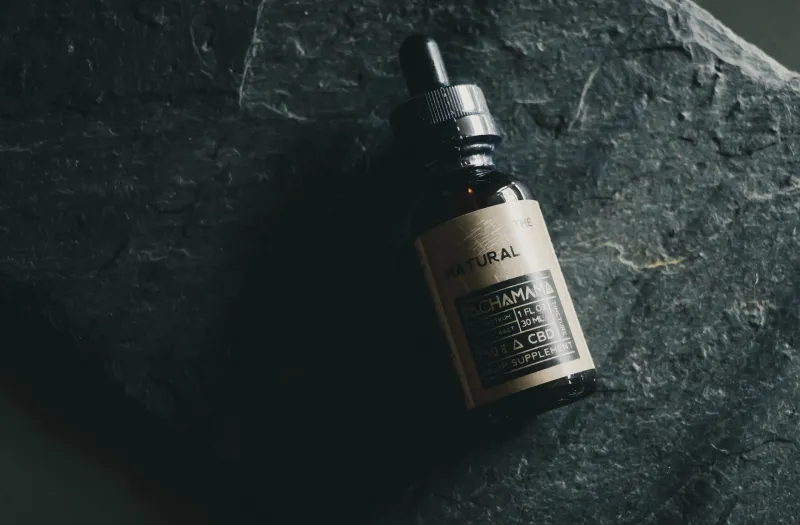
You've probably seen it everywhere — the cozy nightstand flatlay with a bottle of CBD oil, a sleepy-time tea, and maybe a lavender candle. The message is clear: CBD is your ticket to better sleep. Pop it right before bed, drift off peacefully, wake up refreshed.
Except for a lot of people, that's not quite how it plays out.
If you've been reaching for your CBD tincture five minutes before lights-out and still waking up groggy, restless, or weirdly wired at 2 a.m., your timing might be the actual problem — not the product, not the dose, and definitely not your willpower.
Let's dig into what's really happening.
How CBD Actually Moves Through Your Body
CBD isn't like melatonin, which essentially nudges your brain to start its sleep countdown almost immediately. Cannabidiol works through your endocannabinoid system (ECS), a network of receptors that helps regulate everything from mood and stress response to inflammation and — yes — sleep-wake cycles.
But the ECS doesn't respond to a quick chemical tap on the shoulder. It takes time.
Depending on the delivery method you're using, CBD absorption timelines vary quite a bit:
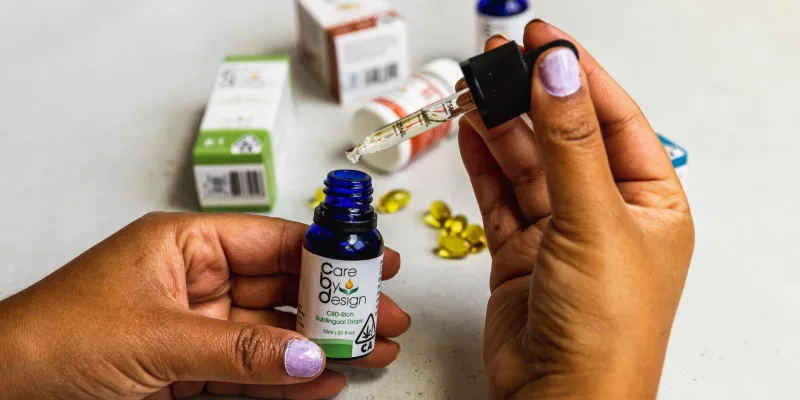
- Sublingual oils (under the tongue): Typically take 15–45 minutes to reach peak effect, with a window that can last 4–6 hours.
- Softgels or capsules: Slower still — often 45 minutes to 90 minutes before you feel anything, with effects that can linger 6–8 hours.
- Edibles and gummies: Similar to capsules, sometimes even slower depending on what you've eaten.
- Vapes or fast-dissolve formats: Much quicker — closer to 10–20 minutes — but effects tend to fade faster too.
Here's where things get interesting (and where most bedtime routines go sideways).
The Peak Effect Problem
If you take a CBD capsule at 10:30 p.m. right before bed, there's a real chance its peak effect doesn't hit until somewhere around midnight or later. That's potentially right in the middle of your first or second REM cycle — the lighter, more active sleep stages where your brain is processing memory, regulating emotions, and essentially doing its nightly maintenance work.
Some early research suggests that CBD, particularly at higher doses, may actually reduce REM sleep rather than enhance it. This is a nuanced finding — lower doses appear to have a different effect than higher ones — but the takeaway is that flooding your system with cannabidiol at peak concentration during REM-heavy hours could be disrupting the very sleep quality you were trying to protect.
This doesn't mean CBD is bad for sleep. Far from it. It means the when matters just as much as the what.
What Good Sleep Architecture Actually Looks Like
To understand why timing matters, it helps to know what healthy sleep is supposed to look like. Your brain cycles through several stages throughout the night:
- Light sleep (N1 and N2): The transition into sleep, where your body temperature drops and heart rate slows.
- Deep sleep (N3): The most physically restorative stage — this is when your body repairs tissue, consolidates immune function, and releases growth hormone.
- REM sleep: The dream-heavy stage tied to emotional processing and memory consolidation.
You cycle through these stages roughly every 90 minutes, and the balance shifts as the night goes on. Deep sleep dominates the early hours; REM becomes more prominent in the second half of the night.
The goal with CBD isn't to knock yourself unconscious — it's to reduce the anxiety, physical tension, or racing thoughts that prevent you from entering and maintaining these cycles naturally. That's a different job, and it requires a different approach.
Smarter Timing Strategies Based on Your Sleep Goal
If Your Problem Is Falling Asleep
If you lie in bed with your brain running through tomorrow's to-do list or replaying every awkward thing you said in 2019, your issue is pre-sleep anxiety, not sleep itself. In this case, taking a sublingual CBD oil 45–60 minutes before your intended bedtime gives it time to start calming the nervous system before you even get into bed. You're not trying to time CBD with sleep onset — you're trying to arrive at sleep onset already relaxed.
If Your Problem Is Staying Asleep
Waking up at 3 a.m. and staring at the ceiling is a different beast. This is often tied to cortisol fluctuations, physical discomfort, or stress-related hyperarousal that surfaces mid-sleep. A slower-release format like a capsule or softgel, taken 1.5 to 2 hours before bed, may provide a more sustained presence in your system through the second half of the night when these disruptions tend to happen.
If Your Problem Is Sleep Quality (Not Just Duration)
This is the trickiest one, and honestly the most underappreciated. You can sleep eight hours and still wake up feeling like you barely rested if your deep sleep and REM cycles are getting shortchanged. If this sounds like you, experiment with earlier dosing — 2 to 3 hours before bed — with a moderate dose. The goal is to let the peak effect pass before your most critical sleep stages begin, so CBD is doing its calming work in the background rather than potentially interfering at the wrong moment.
Delivery Method Is Half the Battle
Beyond timing, the format you choose matters enormously. A gummy taken at 9:30 p.m. by someone who had a big dinner might not kick in until well after midnight. That same person using a sublingual oil at 10:00 p.m. might feel it within 30 minutes.
Pay attention to your own patterns. Start a simple sleep log — even just a few notes in your phone — tracking when you took CBD, what format, and how your sleep felt the next morning. After a week or two, patterns usually emerge.
A Note on Dose
While this article is focused on timing, dose and timing interact. Research (including a frequently cited 2019 study in The Permanente Journal) has found that lower doses of CBD tend to be more alerting, while higher doses lean more sedative. Taking a large dose too close to bedtime might actually spike your alertness initially before the sedating effect kicks in — which explains that frustrating experience of feeling weirdly awake right when you wanted to wind down.
If you're experimenting with timing, keep your dose consistent for at least a week so you're only changing one variable at a time.
The Bottom Line
CBD can absolutely be a meaningful part of a healthy sleep routine — but it's not a sleep switch you flip at the last second. Think of it more like setting the stage. The best results come when you understand how your chosen format moves through your body and time it to work with your natural sleep architecture, not on top of it.
That bedside flatlay can still happen. Just maybe move the bottle a little further from the clock.